Blog > Retiring to Flagler Beach FL: The Complete 2026 Guide for 55+ Buyers
Retiring to Flagler Beach FL: The Complete 2026 Guide for 55+ Buyers
By The Landmark Group at Compass | March 2026 | 10 min read
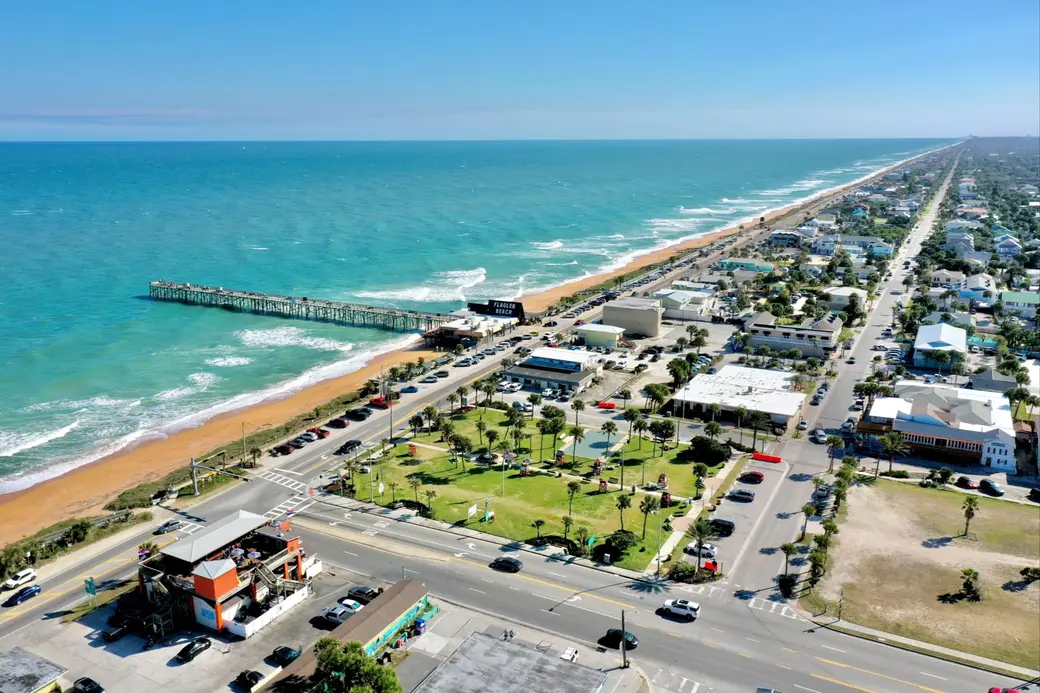
Retirement isn’t just about leaving work—it’s about choosing where and how you’ll spend the next 30+ years of your life. For thousands of Americans, that choice points to Flagler Beach, Florida: a small coastal town that balances quiet, character-driven living with beaches, culture, and practical retirement benefits.
But is Flagler Beach right for your retirement? And how does it compare to more famous retirement destinations like Naples, Sarasota, or the Villages? This guide covers everything—55+ communities, cost of living, taxes, healthcare, and lifestyle—so you can make an informed decision.
We’ve helped dozens of retirees relocate to Flagler Beach, and what we hear again and again is simple: “We didn’t expect to fall in love with this place, but we did.” Let’s explore why.
Why Retirees Are Choosing Flagler Beach Over Miami, Naples, and St. Pete
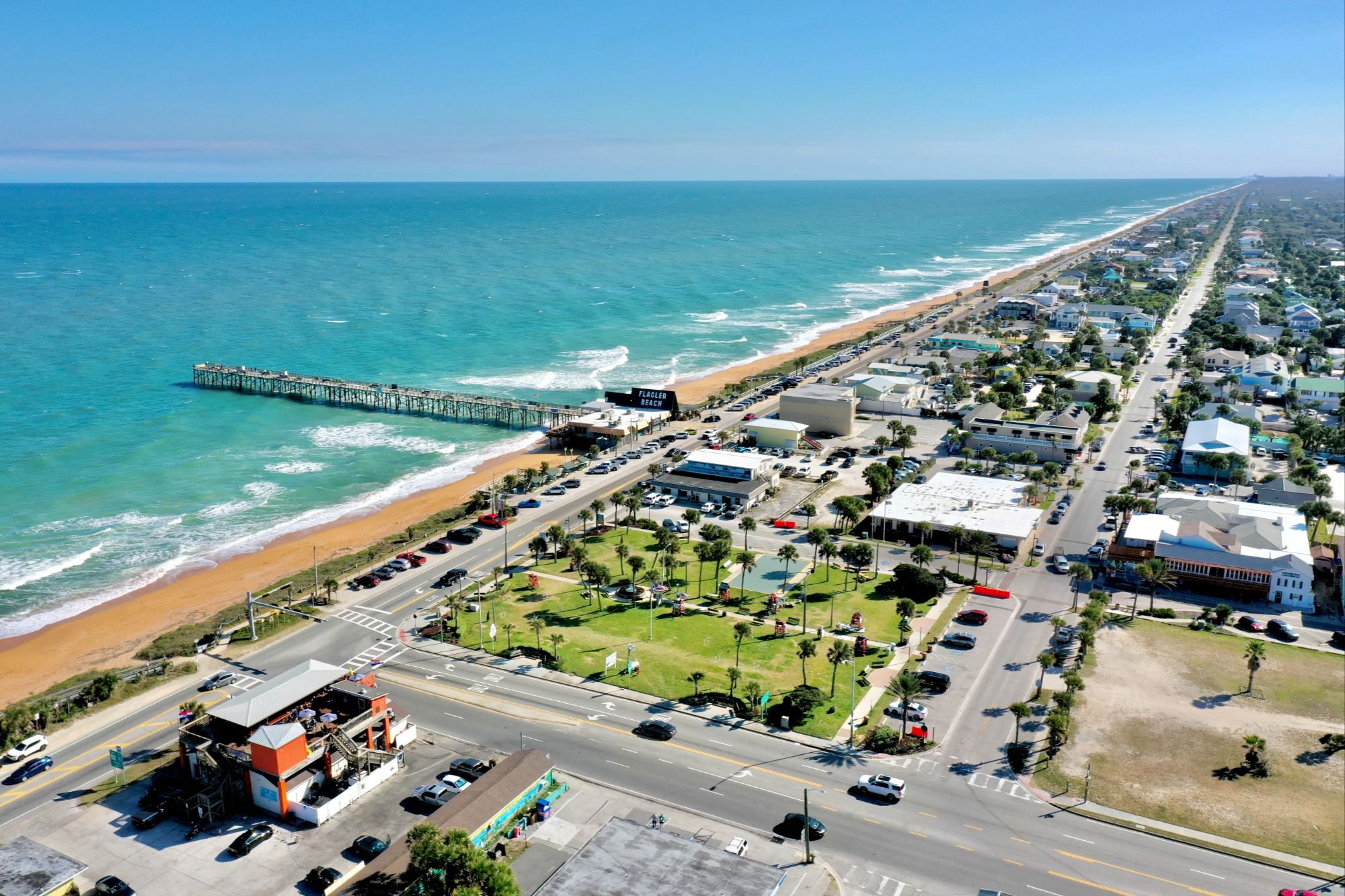
If you’ve spent your career in a major metropolitan area—New York, Chicago, Boston, DC—the appeal of Flagler Beach becomes immediately clear: you get beach living without Miami-level crowds, prices, or intensity.
Affordability That Doesn’t Mean Sacrifice
Flagler Beach is dramatically more affordable than South Florida retirement hotspots. A median single-family home in Flagler Beach runs $450K–$550K in 2026. In Naples? $900K+. In Miami Beach? $1.2M+. In Sarasota? $750K+. For retirees on fixed incomes, this cost difference is profound. A $200K home-price difference could fund a decade of travel, healthcare, or legacy giving.
The Quiet Factor
Miami is vibrant, yes—but it’s also loud, crowded, and traffic-heavy. Naples caters to ultra-high-net-worth retirees with $2M+ estates. St. Pete is artsy and cool, but increasingly young and gentrified. Flagler Beach? Genuinely quiet. You can walk downtown, park easily, hear yourself think. The beach is accessible without fighting crowds. This simplicity appeals deeply to retirees escaping urban stress.
Small-Town Character + Coastal Living
This is Flagler Beach’s secret sauce. Unlike sprawling retirement communities (the Villages), Flagler Beach is a real, functioning small town with downtown shops, local restaurants, working fishing fleet, and community events. You’re not in a retirement bubble; you’re in an actual place with history and character.
No Sales Tax on Groceries or Medicine
Florida has no state income tax (major win). Additionally, groceries and prescription medications are exempt from sales tax—meaningful savings for retirees managing healthcare and food budgets. Unlike some states, Florida doesn’t tax Social Security, pensions, or retirement distributions.
Healthcare Proximity
Flagler County has solid healthcare infrastructure, with Flagler Hospital as a regional anchor. More importantly, you’re only 45 minutes from Daytona and 90 minutes from Jacksonville—major medical hubs with top-tier specialists and research hospitals. You don’t need to live in a big city to access world-class care.
55+ and Active Adult Communities Near Flagler Beach
Flagler Beach doesn’t have mega-retirement communities like the Villages (130K residents in Sumter County). Instead, it has smaller, more intimate age-restricted neighborhoods that maintain community character while offering 55+ amenities.
Plantation Oaks, Palm Coast
The crown jewel of Flagler County 55+ living. Over 2,000 homes, built starting in the 1980s, with excellent infrastructure: fitness center, pools, tennis, pickleball courts, clubhouse, and active social calendar. Homes range $300K–$650K depending on renovation level and location within the community. HOA fees $250–$350/month are reasonable for amenities offered.
Why retirees love it: strong sense of community, excellent maintenance, proximity to shopping and healthcare, and genuine diversity—residents from all over the country, all walks of life.
Grand Haven, Palm Coast
Newer construction (2000s–2010s) with resort-style amenities: championship golf course, resort pools, fitness center, restaurant, and spa. More upscale than Plantation Oaks; prices $500K–$1.2M. HOA fees $400–$550/month reflect premium amenities and maintenance.
Why retirees love it: golf-centric lifestyle, newer homes requiring less maintenance, and higher-end community standards.
Hammock Dunes, Palm Coast
Ultra-premium 55+ community with oceanfront and canal-front properties. Homes $750K–$2M+. Golf, marina access, fine dining, top-tier security. For retirees with significant net worth, this is the place.
Flagler Beach Neighborhoods (Age-Restricted)
Flagler Beach proper has smaller pockets of 55+ homes, mostly independent buildings or small neighborhoods rather than master-planned communities. This means more character, more connection to downtown, but fewer organized amenities. Prices $350K–$550K. Appeals to retirees seeking small-town living over resort-community structure.
Palm Harbor Golf Club, Palm Coast
Golf-centric community with 18-hole championship course, club facilities, and strong social structure. Homes $400K–$750K. Excellent for golfers; less appealing for non-golfers.
The Real Cost of Retirement Living in Flagler Beach in 2026
Retirees live on fixed incomes, so understanding total cost of ownership matters more than gross price tags. Here’s what a realistic retirement budget looks like in Flagler Beach in 2026:
Housing Costs
Assume you’re buying a $450K home (median) with 20% down ($90K). Your mortgage on $360K at 6.5% is approximately $2,280/month over 20 years. Add property taxes ($4,500/year = $375/month), homeowners insurance ($1,500/year = $125/month), and HOA fees if applicable ($200/month). Total housing: roughly $2,980/month (no HOA) to $3,180/month (with HOA).
For retirees paying cash, no mortgage payment—just taxes, insurance, and HOA, totaling $600–$800/month.
Utilities
Florida is hot and air-conditioned year-round. A typical 2,000-sq-ft home uses significant electricity. Average utility bill: $150–$200/month. Cable/internet: $100–$150/month. Total utilities: $250–$350/month.
Healthcare Costs
This varies enormously based on age and health, but Medicare (age 65+) covers most hospitalization and doctor visits. Supplemental insurance, prescriptions, and specialist care run $200–$600/month depending on plan. Assume $300–$500/month for a typical retiree.
Food and Groceries
Flagler Beach is relatively affordable. Grocery shopping is cheaper than major metros. Budget $400–$600/month for a couple, assuming home cooking and modest dining out.
Transportation
If retired and not working, car use drops significantly. Gas, insurance, maintenance: $300–$500/month. Many retirees have paid-off vehicles, so no car payment.
Total Monthly Budget: $3,800–$5,500 (with mortgage)
Total Monthly Budget: $1,800–$2,500 (paid-in-full, cash purchase)
This is 30–50% lower than comparable budgets in Miami, Naples, or Northeast retirement destinations.
Florida’s Retirement Tax Advantages: What You Save by Moving Here
Florida’s tax structure is a massive draw for retirees, and the numbers are real.
No State Income Tax
This is the big one. A retiree with $80K in annual income (combination of Social Security, pension, investment distributions) pays $0 in state income tax in Florida. In New York? ~$7,500. In Massachusetts? ~$5,500. In California? ~$8,000. Moving to Florida could save $5K–$8K+ annually depending on income and prior state.
Social Security & Pension Income Not Taxed
Many states tax Social Security or pensions. Florida taxes neither. A retiree receiving $40K in Social Security and $35K in pension income saves thousands annually simply by residing in Florida.
No Tax on Investment Income (for Residents)
Interest, dividends, and capital gains are not taxed at the state level in Florida. This is particularly valuable for retirees with investment portfolios generating income.
Homestead Exemption Property Tax Benefit
Florida’s homestead exemption provides $50K off assessed home value for property tax purposes for primary residences. On a $450K home assessed at $400K, the homestead exemption reduces taxable value to $350K, saving roughly $1,000–$1,500/year in property taxes.
Real Example: Relocating from New York to Flagler Beach
A couple retires to Flagler Beach from New York with $100K annual income (Social Security, pension, modest distributions).
New York tax liability: ~$8,500/year
Florida tax liability: $0/year
Annual tax savings: $8,500
Over a 25-year retirement, that’s $212,500 in tax savings—enough to fund a decade of travel, healthcare, or estate gifts.
Healthcare in Flagler County: What Retirees Need to Know
Flagler Hospital: The Regional Anchor
Flagler Hospital is a 194-bed facility in Palm Coast offering emergency services, cardiology, orthopedics, oncology, and surgical care. For routine healthcare, it’s solid. For specialized treatment requiring major academic medical centers, you’ll likely travel to Daytona (45 min) or Jacksonville (90 min).
Physician Availability
Flagler County has approximately 200+ physicians across primary care and specialties. No shortage of doctors. Medicare is widely accepted. Wait times are typically 1–2 weeks for routine appointments, not months like some specialty practices in larger metros.
Proximity to Major Medical Centers
If you need a top-tier academic hospital:
• Daytona Beach (45 min): Halifax Health, a major regional hospital with strong cardiology and cancer centers
• Jacksonville (90 min): UF Health Shands, Mayo Clinic Florida campus, Wolfson Children’s (world-class pediatric care)
• Gainesville (2 hours): UF Health Shands, top-tier academic medical center
For serious illnesses requiring specialized care, you have options without being in a major city.
Assisted Living and Memory Care
Flagler County has robust options for assisted living and memory care facilities. Costs run $3,500–$7,000/month, lower than northern states but slightly higher than rural Florida options. Quality varies; do careful research and site visits before choosing.
In-Home Care
Home health, physical therapy, and assisted living aides are available and reasonably priced ($20–$35/hour, compared to $30–$50+ in major metros).
Lifestyle and Recreation for Retirees: Beaches, Golf, Boating, Community
Beach Access
Flagler Beach features 8 miles of public beach—wide, well-maintained, and uncrowded compared to southern Florida. Beach parking is $5/day or cheap annual stickers. The beach is perfect for morning walks, swimming, and simply being near the ocean without chaos.
Golf
Over a dozen courses within 30 minutes: Grand Haven Golf Club, Hammock Dunes Golf Club, Plantation Golf Club, Palm Harbor Golf Club, Flagler Oaks, and others. Courses range from championship (Grand Haven, Hammock Dunes) to public/par-3 (more casual, lower price). Annual golf memberships run $1,500–$5,000+; daily rates $30–$80.
Boating and Water Sports
Intracoastal Waterway boating, fishing charters, kayaking, and sailboat rentals are all available. Many canal communities offer resident dock access. Fishing (both freshwater and saltwater) is world-class.
Arts and Culture
Flagler Beach and Palm Coast have growing arts scenes: galleries, theater (Flagler Playhouse, Palm Coast Community Theater), and regular festivals. Art walks, music events, and cultural programming happen regularly, especially in downtown Flagler Beach.
Social and Civic Clubs
Rotary, Lions Club, historical societies, garden clubs, and hobby groups are active. Senior centers offer low-cost classes, fitness, and social events. Retirement communities have clubs focused on everything from travel to wine tasting to investment discussion.
Dining and Restaurants
Downtown Flagler Beach has excellent independent restaurants; chain dining is also available. Prices are reasonable—not gourmet-destination pricing. Coastal seafood is fresh and abundant.
Neighborhoods in Flagler Beach: Where Retirees Buy
Downtown Flagler Beach
Walking distance to beach, restaurants, shops. Older historic homes ($350K–$600K) and new construction ($600K–$900K). More urban feel, less privacy, but maximum walkability.
South Flagler Beach (Beach Communities)
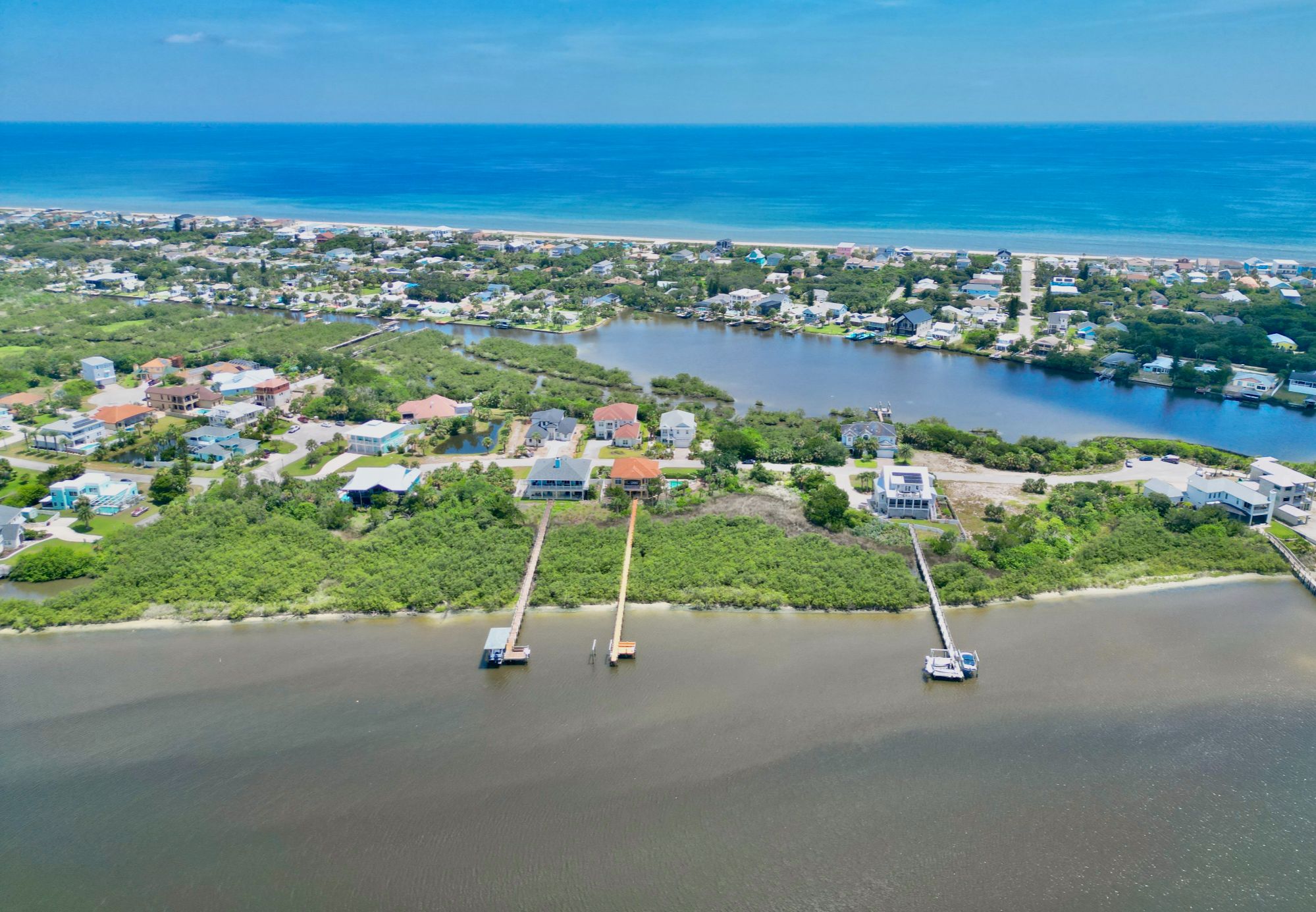
Quieter, more residential. Mix of oceanfront, near-beach, and canal homes. Prices $400K–$800K. Perfect for retirees seeking beach life without downtown bustle.
Plantation Oaks, Palm Coast
Purpose-built 55+ community with 2,000+ homes, golf, amenities. Most affordable; strong community. Prices $300K–$650K.
Hammock Dunes, Palm Coast
Ultra-premium, golf and oceanfront access. Prices $750K–$2M+. For affluent retirees seeking resort-style living.
FAQ: Retiring to Flagler Beach FL
Is Flagler Beach a good place to retire?
Yes, especially for retirees seeking affordability, coastal living, and small-town character without the crowds and prices of South Florida. Flagler Beach offers excellent healthcare proximity, no state income tax, reasonable housing costs, and a genuine community. It’s ideal for mid-budget retirees ($50K–$150K annual income) and increasingly popular with younger retirees (55–65) seeking active lifestyle.
Are there 55+ communities in Flagler Beach or Palm Coast?
Yes. Plantation Oaks (2,000+ homes, $300K–$650K) is the largest and most popular. Grand Haven (golf-centric, $500K–$1.2M), Hammock Dunes (ultra-premium, $750K–$2M+), and Palm Harbor Golf Club are also strong options. Flagler Beach proper has smaller pockets of age-restricted homes rather than mega-communities.
What are property taxes like for retirees in Florida?
Property taxes in Flagler County average 1.0–1.1% of assessed value annually, with homestead exemption reducing taxable value by $50K. On a $450K home, expect $4,000–$5,000/year in property taxes after homestead benefit. This is lower than most northern states.
Does Florida tax Social Security or pension income?
No. Florida does not tax Social Security, pension income, IRA distributions, or investment income at the state level. This is a major tax advantage for retirees relocating from high-tax states like New York, Massachusetts, or California.
What is the cost of living in Flagler Beach compared to the national average?
Flagler Beach is approximately 5–10% below the national average for cost of living, driven mainly by lower housing costs and no state income tax. Groceries, utilities, and healthcare are roughly in line with national averages. Compared to Miami, Naples, or coastal California, Flagler Beach is 30–50% cheaper.
Is Flagler Beach safe for retirees?
Flagler Beach and Palm Coast are generally safe communities with crime rates in line with or below national averages. Property crime is modest; violent crime is rare. Police presence is visible; community policing is active. Senior-focused neighborhoods like Plantation Oaks have controlled access and security, further reducing risk.
What healthcare options are available near Flagler Beach FL?
Flagler Hospital (194 beds, Palm Coast) offers emergency, cardiology, orthopedics, and surgical services. Daytona (45 min) has Halifax Health, a major regional hospital. Jacksonville (90 min) has Mayo Clinic Florida, UF Shands (academic medical center), and specialized care for serious illnesses. Most retirees access healthcare through Medicare and supplemental plans; physicians widely accept Medicare.
Ready to Explore Retirement in Flagler Beach?
The Landmark Group at Compass specializes in helping retirees find their perfect home in Flagler Beach and Palm Coast. Whether you’re looking for a 55+ community, oceanfront, or quiet neighborhood retreat, we know the market inside and out. Let’s find where you want to spend your best years.
📞 Call: (386) 338-3908
🌐 Visit: landmarkgroupfla.com